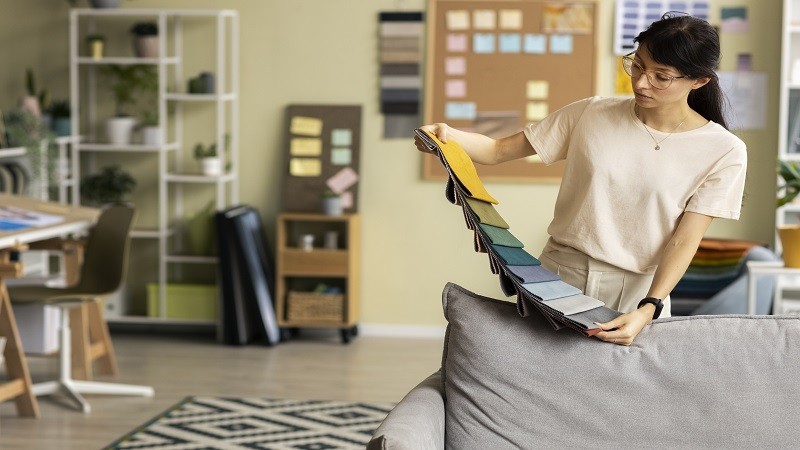
Home Decor Guide ThtHomedec is a useful source of ideas for creating a beautiful, comfortable, and practical home. Home decoration does not always require a large budget. It also does not mean following every new trend. A well-decorated home should match your personality and daily routine. Small changes can make a room feel fresh and inviting. Changing the furniture layout, adding indoor plants, improving lighting, or choosing a new color can create a noticeable difference. The best approach is to understand your space first. Then you can choose decoration ideas that make your home feel warm and welcoming.
Understand Your Space First
Before decorating any room, take some time to understand the space. Look at the size and shape of the room. Notice where the doors and windows are located. Pay attention to natural light. These details can affect almost every decorating decision.
Think about the purpose of the room. A living room may need comfortable seating for family and guests. A bedroom should provide a calm environment. A home office needs enough light and a suitable workspace. A kitchen needs practical storage and enough room for movement.
It is also important to understand what you already have. Some furniture may still be useful. Other items may need to be replaced or moved. You do not have to remove everything and start again. Sometimes a simple rearrangement can make a room look completely different.
Choose a Style You Enjoy
Your decorating style should reflect your personality. There are many interior styles to explore. Modern rooms often use clean lines and simple furniture. Minimalist spaces focus on fewer objects and open areas. Rustic interiors often use natural materials and warm colors. Traditional designs may include classic furniture and decorative details.
You can also mix different styles. There is no rule that says every item must belong to one category. The important thing is to create a sense of connection. Similar colors, materials, or shapes can help different pieces work together.
Spend some time looking at rooms that inspire you. Notice the elements you like most. You may discover that you prefer neutral colors, natural wood, soft fabrics, or bold accessories. These preferences can help you develop a style that feels natural to you.
Create a Simple Color Scheme
Color has a powerful effect on a room. It can influence how a space looks and feels. Light colors can make smaller rooms appear more open. Warm colors can create a cozy atmosphere. Neutral colors can provide a calm background.
You do not need to use many colors. A simple combination often looks more balanced. Choose a main color and then add one or two supporting shades. You can introduce stronger colors through cushions, curtains, rugs, artwork, and small accessories.
Always consider natural lighting when choosing colors. A wall may look different in bright sunlight than it does at night. If you plan to paint, test the color on a small area first. This can help you understand how it will look in your actual room.
Select Furniture Carefully
Furniture is one of the most important elements of home decor. It should be comfortable, useful, and suitable for the size of your room. A beautiful piece of furniture may not be a good choice if it takes up too much space.
Measure the room before making large purchases. Think about walking areas and door openings. Make sure people can move around comfortably. A room should not feel crowded because of oversized furniture.
Consider your lifestyle as well. If you have children or pets, you may prefer durable and easy-to-clean materials. If you have limited space, furniture with built-in storage can be helpful.
Good furniture placement can also improve the room. You may not need new pieces. Moving your sofa, chairs, table, or bed can sometimes create a better layout.
Use Lighting to Improve the Atmosphere
Lighting can change the mood of a room. Good lighting can make a space feel comfortable and inviting. Poor lighting can make even a beautiful room feel dull.
Natural light should be used whenever possible. Keep windows clear and use curtains that allow daylight to enter. Mirrors can also help reflect natural light around the room.
Artificial lighting is equally important. Use different light sources instead of depending on one bright ceiling light. Table lamps can create cozy corners. Floor lamps can brighten darker areas. Accent lighting can highlight artwork, shelves, or plants.
Choose lighting according to the purpose of the room. Soft light can work well in bedrooms and living rooms. Brighter light may be more suitable for kitchens and work areas.
Bring Nature Into Your Home
Indoor plants are a simple way to add life to a room. They can introduce natural color and make an interior feel fresher. Plants can also fill unused corners without making the space look crowded.
When choosing plants, think about your home’s conditions. Consider sunlight, room temperature, and available space. Some plants need bright light. Others can grow in areas with less sunlight.
Your lifestyle also matters. If you have limited time for plant care, choose varieties that are easier to maintain. Beginners should avoid starting with plants that require complicated care.
Plant containers can also support your decorating style. Choose pots that match the colors and materials in your room. A simple plant can become an attractive part of the overall design.
Add Texture and Comfort
Texture gives a room depth. A space with only smooth surfaces can sometimes feel plain. Different materials can make it feel warmer and more interesting.
Soft cushions can add comfort to a sofa. A rug can make a living area feel warmer. Curtains can soften the appearance of windows. Wooden furniture can bring a natural element into the room.
Woven baskets, blankets, and fabric accessories can also add texture. You do not need many items. A few carefully selected pieces can be enough.
Try to create balance. Too many patterns or textures may make a room feel busy. Simple combinations usually create a more relaxing appearance.
Decorate Your Walls
Walls provide an excellent opportunity to show your personality. Empty walls can make a room feel unfinished. However, filling every wall with decorations can make the space feel crowded.
Artwork is a popular choice. Family photographs can create a personal atmosphere. Mirrors can add light and make a room appear larger. Shelves can display books, plants, and small decorative objects.
Think about the size of the wall before choosing artwork. A small picture may look lost on a large wall. Several smaller pieces can be grouped together to create a gallery-style display.
Choose decorations that connect with the rest of the room. Similar colors or frames can create a more organized appearance.
Improve Storage and Organization
A beautiful home should also be organized. Clutter can make a room feel smaller and less comfortable. Good storage helps keep everyday items in their proper places.
Shelves, cabinets, baskets, and storage boxes can all be useful. If you have limited floor space, use your walls. Vertical storage can provide extra space without making the room feel crowded.
Keep items that you use every day within easy reach. Less frequently used belongings can be stored in less accessible areas.
Do not create a storage system that is difficult to maintain. The best system is simple. Everyone in the home should be able to use it easily.
Make Small Rooms Feel Bigger
Small rooms can still look stylish. The key is to use space carefully. Avoid filling every corner with furniture and accessories.
Choose furniture that matches the size of the room. Light colors can create an open feeling. Mirrors can reflect light and add visual depth.
Keep the floor as clear as possible. Too many objects can make a small room feel crowded. Furniture with multiple functions can also help.
For example, a storage bench can provide seating and storage. A folding table can become a workspace when needed. Smart choices can make a small room much more practical.
Create a Comfortable Living Room
The living room is often one of the most active spaces in a home. It should be comfortable enough for relaxation and practical enough for everyday use.
Start with the seating arrangement. Place sofas and chairs where people can communicate easily. A coffee table can provide a useful central point. A rug can help define the seating area.
Add cushions, throws, plants, and artwork to create personality. Avoid putting too many objects on tables and shelves. Some open space can make the room feel more balanced.
Your living room should support the way you actually live. If you enjoy reading, create a comfortable reading corner. If you often have guests, provide enough seating.
Design a Peaceful Bedroom
A bedroom should feel calm and comfortable. It is a place where you can relax at the end of the day.
Start with comfortable bedding. Choose colors that help you feel relaxed. Neutral and soft shades can create a peaceful atmosphere.
Lighting is also important. A bedside lamp can provide softer light in the evening. Curtains can control daylight and provide privacy.
Keep the area around your bed organized. Too much clutter can make it difficult to relax. A few personal items can make the bedroom feel special without overwhelming the space.
Give Your Kitchen a Fresh Look
The kitchen should be practical first. Decoration should not make cooking and cleaning difficult.
Keep frequently used items in convenient locations. Organize cabinets and drawers so that everything has a clear place.
Small decorative details can make the kitchen feel warmer. Wooden accessories, plants, artwork, and attractive containers can add personality.
Open shelves can display dishes and other items. However, avoid filling them with too many objects. Clean surfaces usually create a more attractive kitchen.
Decorate on a Budget
You do not need a large budget to improve your home. Start with the items you already own. Rearrange your furniture and accessories. Move artwork to another wall. Change cushion covers or add a simple throw.
Small changes can have a surprising effect. You can also update one area at a time instead of decorating the whole home.
Secondhand furniture can be another useful option. Older pieces can have unique character. With cleaning or a simple update, they may become attractive features.
Before buying anything, ask yourself if you really need it. A thoughtful purchase is better than filling your home with unnecessary objects.
Avoid Common Decorating Mistakes
One common mistake is adding too many decorations. A room needs some empty space. Without it, the design can feel crowded.
Another mistake is choosing furniture without checking its measurements. Always measure your space before buying large items.
Poor lighting is also a common problem. A room may have beautiful furniture but still feel uncomfortable if it is too dark.
Using too many colors can create another issue. Try to keep a clear color connection between walls, furniture, and accessories.
Most importantly, do not follow trends blindly. A trend may look attractive online but may not suit your lifestyle or space.
Add Personal Touches
Personal items make a home feel different from a showroom. They tell the story of the people who live there.
Family photographs, books, artwork, travel memories, and meaningful objects can all add character. These items do not need to be expensive.
Think about what makes you feel connected to your home. Display those things in places where you can enjoy them.
Your home should represent you. It does not have to follow someone else’s idea of perfection.
Keep Your Home Fresh
Home decoration is an ongoing process. Your needs can change over time. Furniture may need to be moved. Some items may no longer be useful.
Review your rooms regularly. Remove things that you do not use. Rearrange furniture when you want a different feeling.
Seasonal changes can also provide inspiration. Lighter fabrics can create a fresh look during warmer months. Soft blankets and warmer textures can make rooms feel cozy during colder months.
You do not need a complete makeover. Small updates can keep your home feeling fresh.
Final Thoughts
Good home decoration is about balance. A beautiful room should also be comfortable and practical. You do not need expensive furniture or a large budget to create a welcoming space.
Start by understanding your home. Choose a style that feels natural to you. Use a simple color scheme and select furniture that fits properly. Improve your lighting and add plants for a natural touch.
Keep your rooms organized. Use textures to create warmth. Add artwork and personal items that have meaning.
Most importantly, take your time. Decorating should be enjoyable. Try different ideas and see what works best for your lifestyle.
The Home Decor Guide ThtHomedec approach is about simple, practical, and creative decorating. A few thoughtful changes can transform an ordinary room into a space you enjoy every day.